

The Unseen Sins of Ramadan – Are You Truly Restraining Yourself Or Giving In To Excessive Spending (Israaf)?
Master mindful spending this Ramadan. Avoid extravagance and waste to align your finances with true Islamic values.
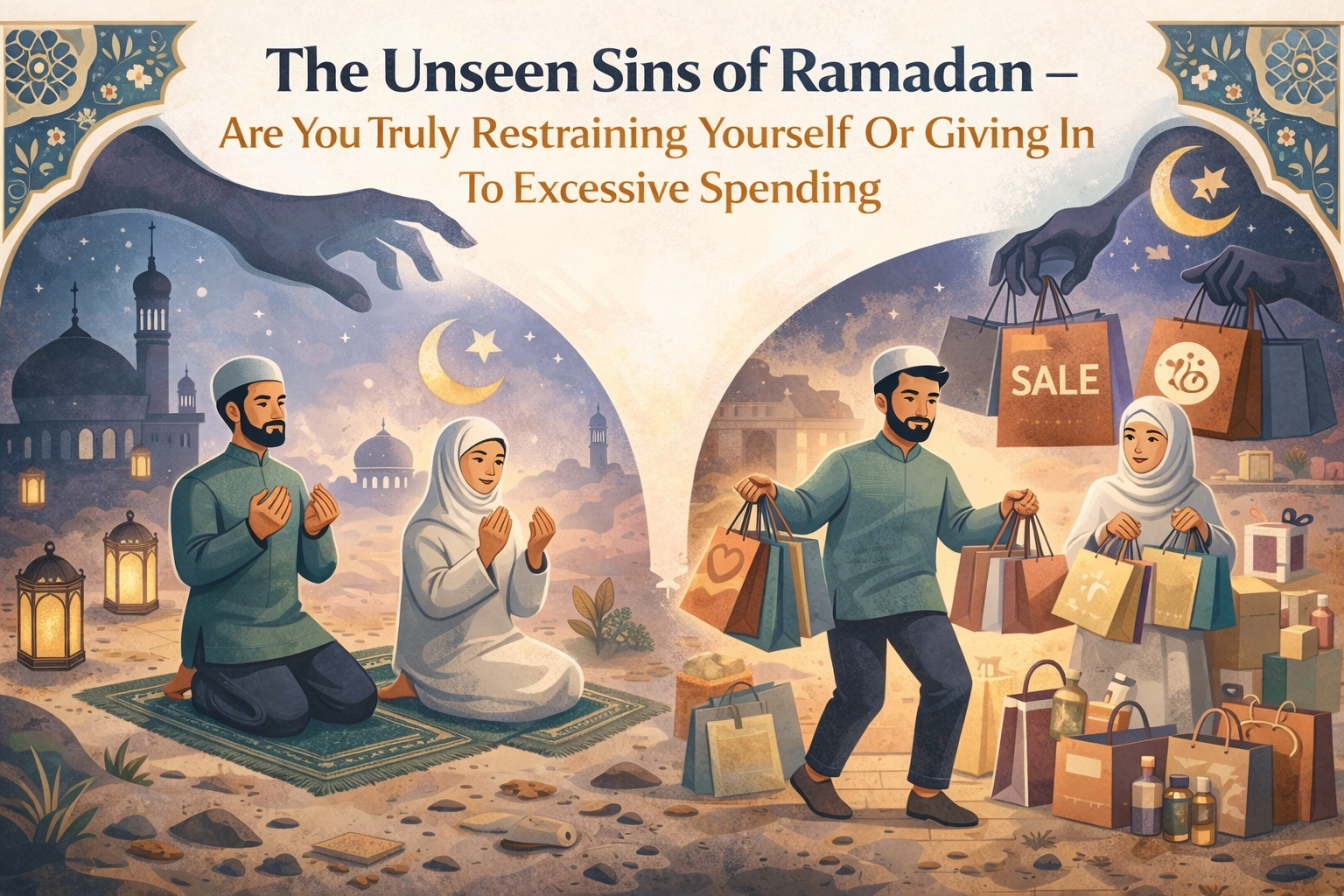
The air gets a special buzz, doesn't it? The beautiful calls to prayer, the bustling Ramadan bazaars, the communal spirit of breaking fast with loved ones. It's a month eagerly anticipated, a time for spiritual cleansing, self-discipline, and deep reflection.
But sometimes, amidst the excitement, we might find ourselves caught up in a different kind of buzz: the spending buzz. From elaborate iftar buffets to overflowing grocery carts for sahur preparations, and then the inevitable shopping spree for Hari Raya, our wallets can take quite a hit.
The question then arises: Is this truly aligned with the spirit of Ramadan?
Ramadan is about restraint, gratitude, and empathy for those less fortunate. It's about drawing closer to Allah (SWT) by controlling our desires, including our desire for consumption. Yet, for many, it's paradoxically become a month of increased consumption and, often, waste.
Let's talk about how we can realign our spending with the true spirit of Ramadan.
The Food Frenzy: Don't Waste Food & Control your Buffet Temptations
Think about it - after a long day of fasting, the aroma from the Ramadan bazaar (Satay, dendeng and putu piring!) or the thought of a grand iftar spread can be incredibly tempting. But how many times have we piled our plates high at a buffet, only to leave half of it untouched? Or bought too much from the bazaar, only for leftovers to end up in the bin?
This happens to the best of us, and it nudges us to remember two really important Islamic principles:
-
Israaf (Extravagance): This means going to extremes or exceeding bounds in spending. It's not just about buying expensive things, but also buying more than you need.
-
Tabzir (Wastefulness): This is even worse, spending something for an unlawful purpose or simply squandering resources, especially food. Wasting food, even a tiny bit, is a form of Tabzir and directly goes against the teachings of gratitude.
In current times, where food is abundant and diverse, it's especially easy to fall into the trap of Israaf and Tabzeer.
So, what's our plan?
-
Portion Control at Buffets: Be mindful. Take small servings, and go for seconds only if you truly need to.
-
Smart Bazaar Shopping: Make a list, stick to it, and don't buy with your eyes if your stomach isn't that big.
-
Meal Planning: Plan your sahur and iftar meals to reduce last-minute, excessive purchases. Get creative with leftovers! Leftover chicken can become tomorrow's sandwich filling.
-
Sharing is Caring: If you end up with too much, share it with neighbours, friends, or those in need.
The Hari Raya Shopping Spree: Celebrate Mindfully, Spend Meaningfully.
The spirit of self-restraint isn't just for food. It extends to all our purchases, especially as Hari Raya draws near. The pressure to buy new clothes, new decorations, or upgrade household items can be immense. While celebrating Eid is joyous and encouraged, does it mean we need to splurge excessively every year?
-
Think before you buy: Do you truly need that new outfit, or do you have perfectly good ones from last year? Can you repurpose decorations?
-
Invest in moments, not materials: Spending quality time with family, organizing a meaningful iftar with loved ones, or contributing to a charity can bring far more lasting joy than material possessions.
-
Support Local, Ethical Businesses: If you do buy, try to support local businesses or those with ethical practices.
By doing these, we're not just saving money; we're cultivating a deeper sense of contentment and reducing our reliance on material possessions, aligning perfectly with Ramadan's lessons.
The "Why": Recalibrating Our Priorities
Ultimately, the true spirit of Ramadan spending isn't about being stingy. It's about being intentional and thoughtful with our resources. It's about:
Gratitude (Shukr): Being thankful for what we have and not taking it for granted by wasting it.
-
Compassion (Rahmah): Remembering those who genuinely struggle for food, not just during Ramadan, but all year round. Our temporary hunger during fasting should draw us closer to their daily reality.
-
Increased Charity (Sadaqa & Zakat): Freeing up funds from unnecessary expenses so we can direct them towards helping others. This is a month when the rewards for good deeds are multiplied!
Make This Ramadan Your Financial Reset
Let's make this Ramadan different. Let's make it a month where we truly reflect on the beautiful values of Islam. Let's practice mindful spending, avoid waste, and redirect our resources towards acts of goodness.
It's not about deprivation; it's about liberation. Liberation from consumerism, from debt, and from the anxieties of excessive material attachment. It's about finding barakah and blessings in every dollar spent, every meal shared, and every act of kindness performed.
Ready to take on the month of Ramadan with conscious spending the Islamic way?
Discover how Kanze can help you consolidate your finances, manage your budget, track your assets and liabilities, plan your legacy and simplify your zakat calculations. Open your Kanze account now. Click here to register.